


Stay connected with our journey towards a carbon-neutral and more sustainable future by 2050.
At People of 2050, our work is constantly evolving through new projects, partnerships, and initiatives across Europe. This space captures the key moments of that journey.
Partnerships and collaborations
Discover the organisations, institutions, and communities we work with to scale our impact and co-create meaningful solutions.
Events and activities
Insights and highlights from workshops, training courses, community events, and international mobilities.
Impact and learnings
Reflections, results, and key takeaways from our work sharing what we learn as we contribute to sustainability, education, and decarbonisation efforts.
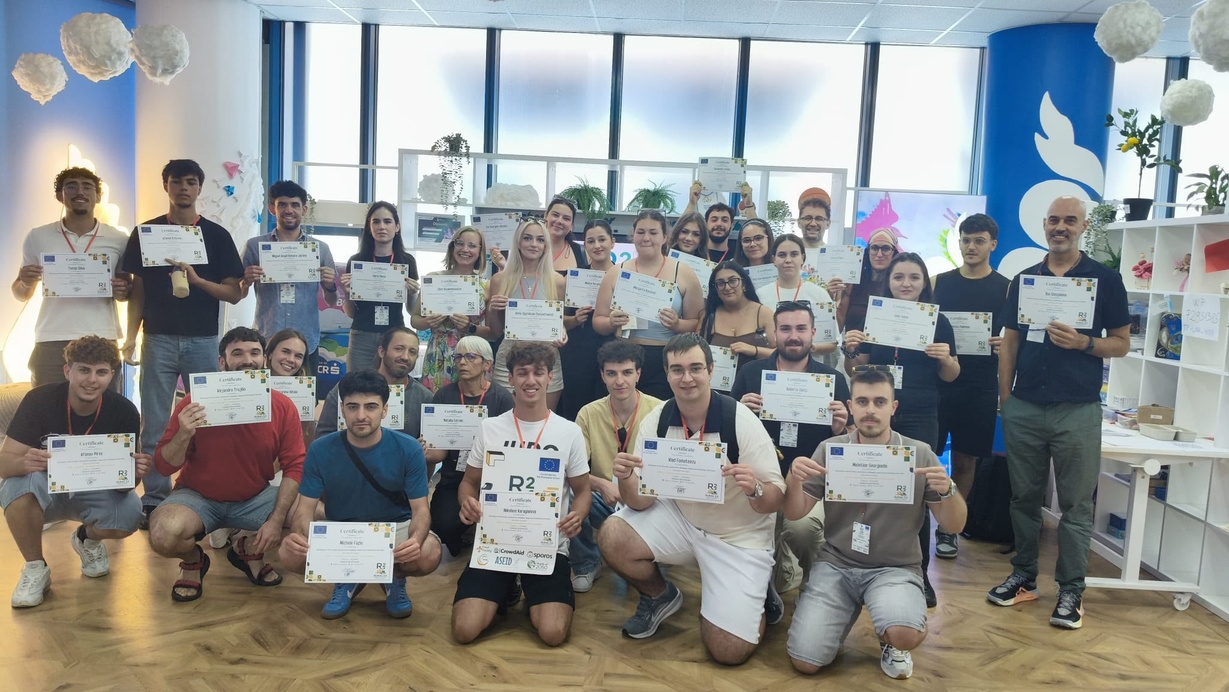
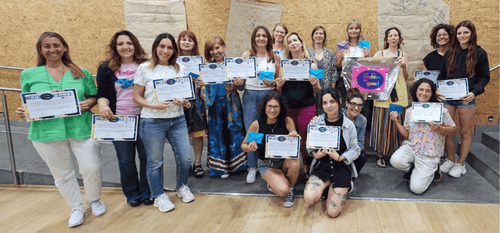
During the last week of July, young participants had the opportunity to take part in a Workshop on EU Policies held in Târgu Jiu, Romania, and hosted by Scout Society, one of the project partners.
The four-day workshop brought together 30 young people from Italy, Romania, Denmark, Greece, Spain and Portugal, creating an international learning environment focused on European institutions, policymaking and opportunities for youth and civil society organisations.
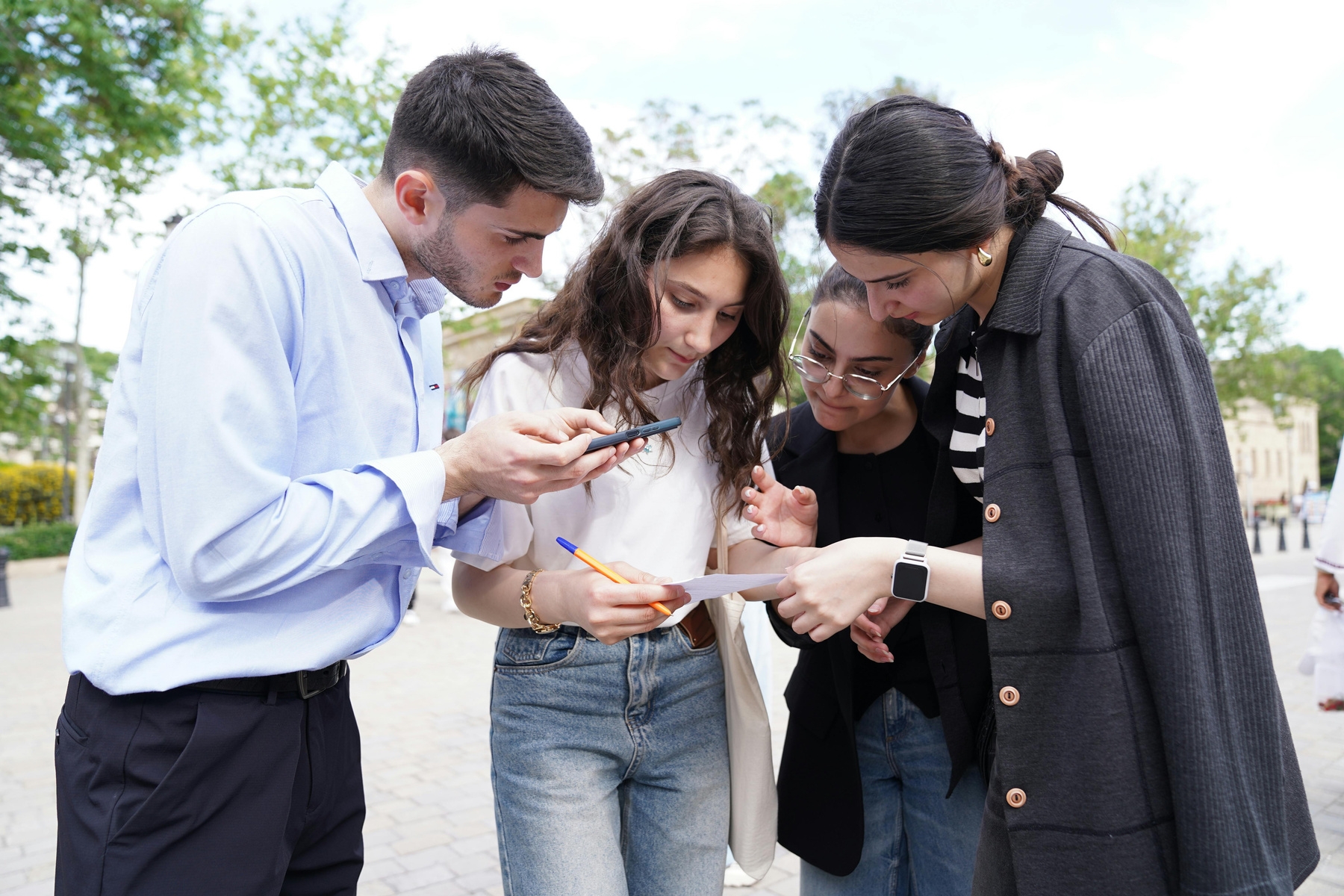
Public decisions are made within local institutions, councils, and other spaces where communities shape their future. Understanding how these systems work helps young people participate more effectively in democratic life. Participation is not only about expressing opinions, but also about contributing ideas, needs, and proposals to decision-making processes. This is particularly important in rural areas, where young people's perspectives are often underrepresented. Their active involvement helps make democracy more inclusive, representative, and responsive to local needs, while strengthening the relationship between communities and public institutions.
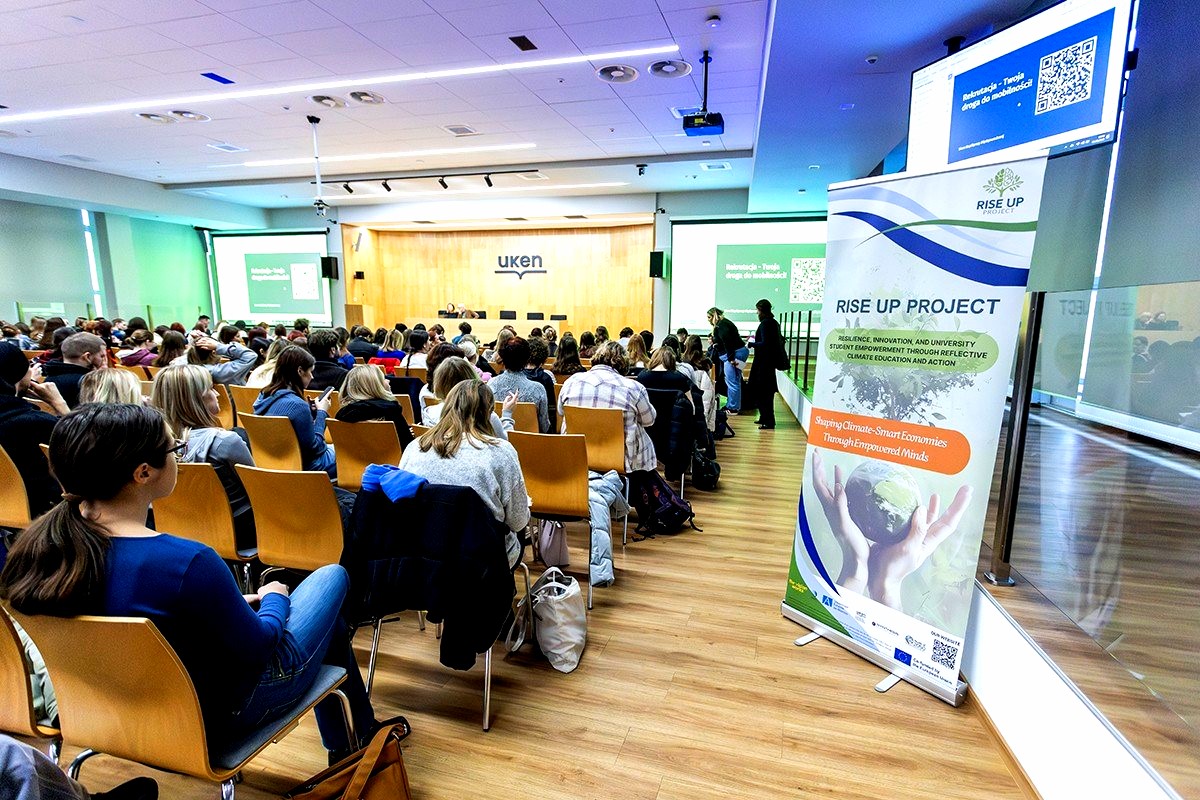
Shaping a new approach to climate change
In our first newsletter, we shared why the RISE UP projectexists and how the climate crisis can feel overwhelming forstudents in higher education.
This newsletter focuses on the work RISE UP has done, theresearch, frameworks, and thinking that guide how RISE UPsupports higher education throughout Europe.

What we heard from educators
By reviewing existing research and speaking with higher education professionals andclimate resilience experts, the project explored how sustainability shows up inclassrooms, and how students respond to it.
Across different contexts, educators shared a similar concern, climate topics areincreasingly included in university courses, but many students struggle to manage theemotional weight that comes with them. Feelings of anxiety, uncertainty, and overloadwere common, especially when emotional support was not built into learningenvironments.
RISE UP was shaped directly by these insights, with the goal of supporting educatorsin the academic and emotional side of climate change education.
Adapting sustainability through the RISEUP framework
Instead of building something entirely new, RISE UP builds onexisting European sustainability guidance, such as theGreenComp framework. GreenComp shows key sustainabilitypractices as well as ways of thinking that are used widely acrossEurope.
RISE UP takes this a step further by adapting it for highereducation, where the emotional side of learning about climatechange plays a big role. The project reshapes GreenComp in away that reflects how college students actually experienceclimate change education today.
What's being developed
One of the main outcomes of the project is the RISE UP AdaptedGreenComp Framework for Young Adults. It builds on theoriginal GreenComp structure while placing greater emphasis onemotional awareness, resilience, and reflection withinsustainability education.
This adapted framework provides the foundation for the toolsRISE UP is developing to support higher education teaching andlearning. Additionally, the Policy Brief, grounded in the AdaptedFramework, outlines how it can inform policy development,curriculum reform, and professional training, helping equipeducators and students with the competences needed tonavigate the emotional and cognitive challenges of the climatecrisis.
The four core competence areas
At the heart of the RISE UP Adapted Framework are fourinterconnected competence areas that guide how young adultsunderstand, experience, and engage with sustainability:
Embodying sustainability – personal values, emotionalawareness, and mindful engagement. It focuses on lived,personal experience.
Embracing complexity in sustainability – understandinguncertainty, systems thinking, and resilience. It helps studentsnavigate complexity without overwhelm.
Envisioning sustainable futures – hope, adaptability, andcreative exploration. It supports positive, future-orientedthinking.
Acting for sustainability – meaningful action grounded inreflection and care. It connects learning with real-world action.
What's coming next
As the project moves forward, the Adapted Framework and Policy Brief will continueto be shared, alongside ongoing work on the RISE UP tools. In the upcoming monthsthese resources will be tested and refined with higher education partners, and we'llshare updates along the way.
Coming soon:
Stay up to date
Missed our first newsletter?
You can read it HERE
Follow RISE UP on LinkedIn for project updates and news
Click HERE for our website
With the financial support of:
Funded by the European Union. Views and opinions expressed are however those ofthe author(s) only and do not necessarily reflect those of the European Union or theEuropean Education and Culture Executive Agency. Neither the European Union nor thegranting authority can be held responsible for them.
Create and share interactive reports, presentations, personal stories, and more.
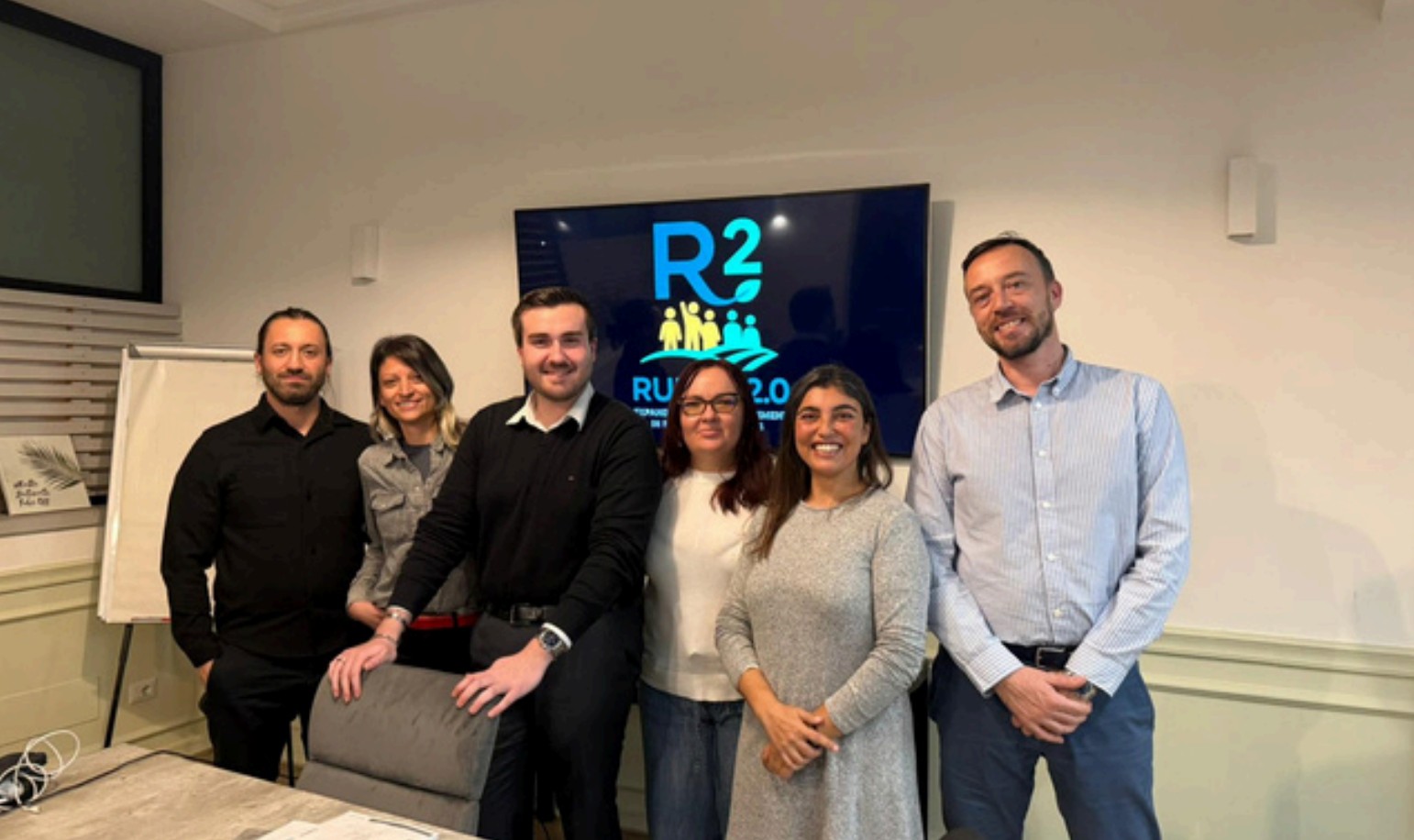
Welcome to the First Edition of the Rural 2.0 Newsletter!
We are excited to welcome you to the first Rural 2.0 newsletter. On 15 December 2025, the project officially kicked off in the presence of our Project Officer, marking the start of a journey to empower young people as true drivers of change in rural Europe.
Why Rural 2.0?
Young people in rural areas often face isolation, limited opportunities, and little dialogue with institutions. This fuels disengagement and migration to cities. Rural 2.0 responds to these challenges by strengthening participation, skills, and civic engagement through training, digital tools, and European exchange.
Our Goals
We promote democratic participation, strengthen civic and digital skills, and encourage dialogue with institutions to build a lasting European network. Rural 2.0 is not just about participation, it’s about real influence, ensuring youth voices are heard and acted upon.
In this edition we explore what leadership means in rural contexts: practical skills like responsibility, accountability, and turning local needs into collective action. We also highlight public speaking as a powerful tool to communicate, mobilise others, and drive change.
Together, we are transforming rural youth from participants into leaders shaping Europe’s future.
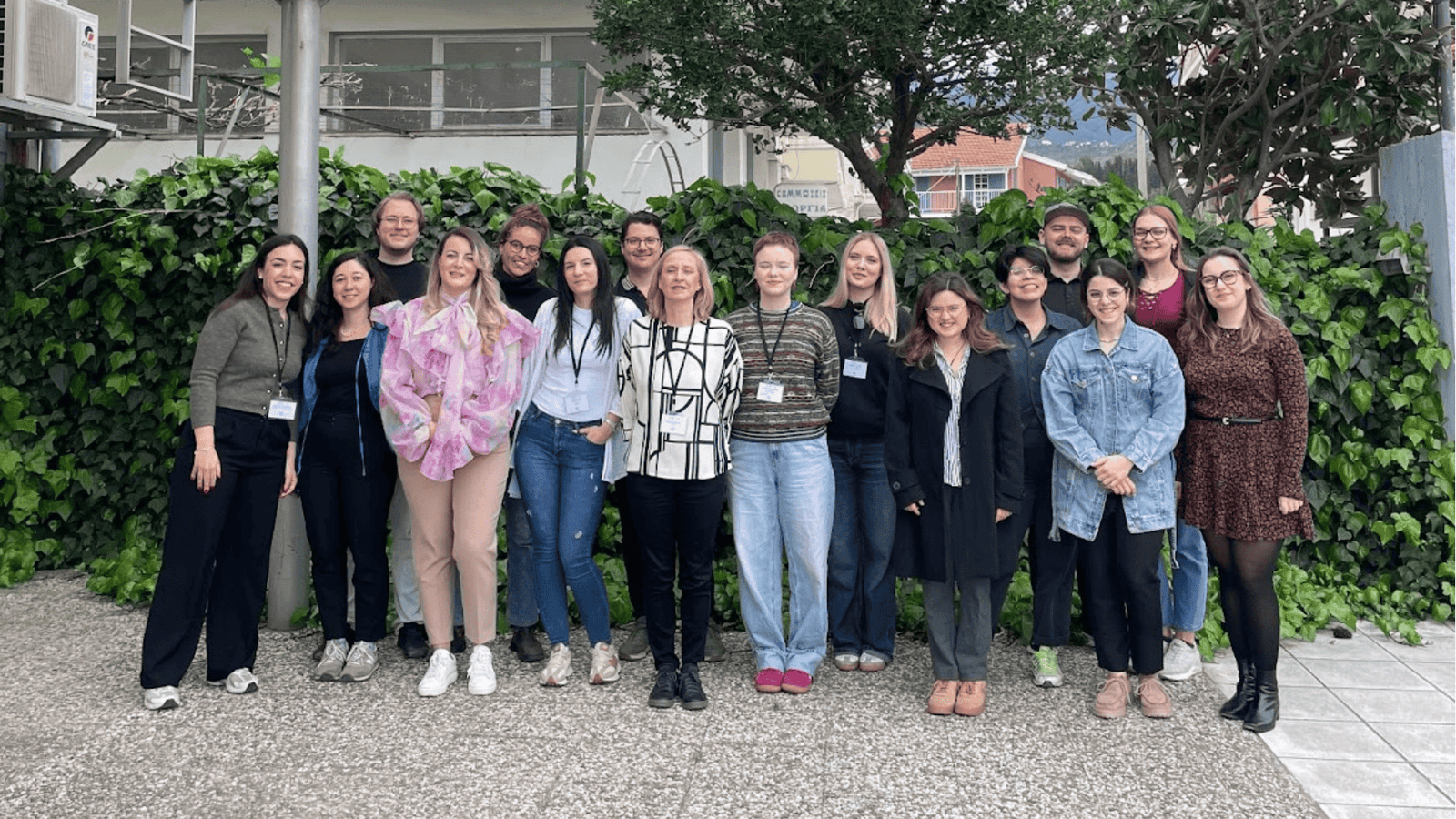
The GRECO (Green Economy Career Orientation) Erasmus+ project is concluding after two years of work across Denmark, Greece, Italy, Serbia and Slovenia.
.png)
The GRECO (Green Economy Career Orientation) project launched a 40-hour virtual training course for youth workers, combining individual and collaborative activities on green jobs, entrepreneurship and sustainable career pathways.

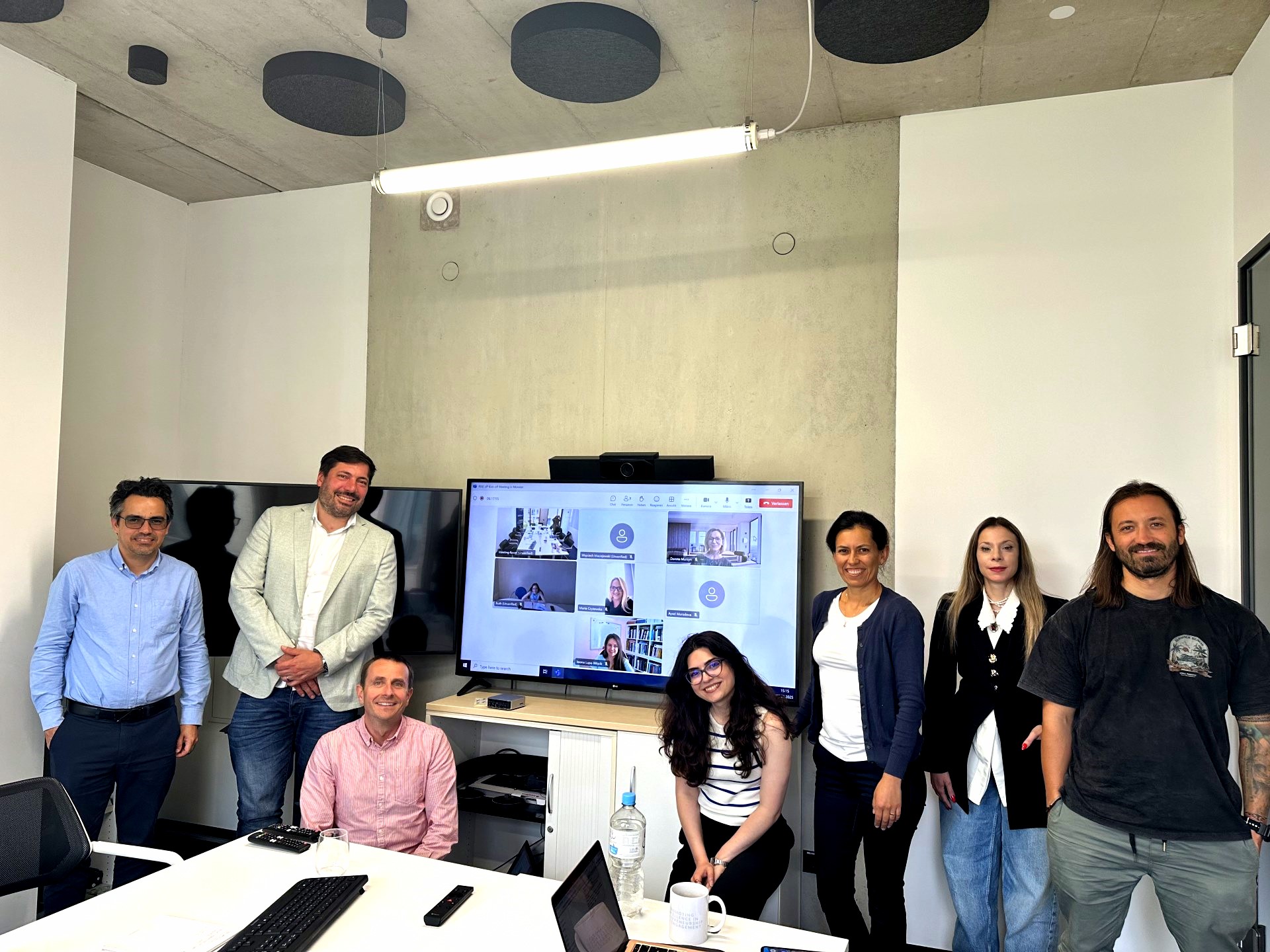
The RISE UP (Resilience, Innovation, and University Student Empowerment through reflective Climate Education and Action) Erasmus+ project (2024–2027) officially kicked off on June 10, 2024, in Münster, Germany
The RISE UP (Resilience, Innovation, and University Student Empowerment through reflective Climate Education and Action) Erasmus+ project (2024–2027) officially kicked off on June 10, 2024, in Münster, Germany
The GRECO (Green Economy Career Orientation) project launched a 40-hour virtual training course for youth workers, combining individual and collaborative activities on green jobs, entrepreneurship and sustainable career pathways.
The GRECO (Green Economy Career Orientation) Erasmus+ project is concluding after two years of work across Denmark, Greece, Italy, Serbia and Slovenia.
Welcome to the First Edition of the Rural 2.0 Newsletter!
We are excited to welcome you to the first Rural 2.0 newsletter. On 15 December 2025, the project officially kicked off in the presence of our Project Officer, marking the start of a journey to empower young people as true drivers of change in rural Europe.
Why Rural 2.0?
Young people in rural areas often face isolation, limited opportunities, and little dialogue with institutions. This fuels disengagement and migration to cities. Rural 2.0 responds to these challenges by strengthening participation, skills, and civic engagement through training, digital tools, and European exchange.
Our Goals
We promote democratic participation, strengthen civic and digital skills, and encourage dialogue with institutions to build a lasting European network. Rural 2.0 is not just about participation, it’s about real influence, ensuring youth voices are heard and acted upon.
In this edition we explore what leadership means in rural contexts: practical skills like responsibility, accountability, and turning local needs into collective action. We also highlight public speaking as a powerful tool to communicate, mobilise others, and drive change.
Together, we are transforming rural youth from participants into leaders shaping Europe’s future.
Shaping a new approach to climate change
In our first newsletter, we shared why the RISE UP projectexists and how the climate crisis can feel overwhelming forstudents in higher education.
This newsletter focuses on the work RISE UP has done, theresearch, frameworks, and thinking that guide how RISE UPsupports higher education throughout Europe.
What we heard from educators
By reviewing existing research and speaking with higher education professionals andclimate resilience experts, the project explored how sustainability shows up inclassrooms, and how students respond to it.
Across different contexts, educators shared a similar concern, climate topics areincreasingly included in university courses, but many students struggle to manage theemotional weight that comes with them. Feelings of anxiety, uncertainty, and overloadwere common, especially when emotional support was not built into learningenvironments.
RISE UP was shaped directly by these insights, with the goal of supporting educatorsin the academic and emotional side of climate change education.
Adapting sustainability through the RISEUP framework
Instead of building something entirely new, RISE UP builds onexisting European sustainability guidance, such as theGreenComp framework. GreenComp shows key sustainabilitypractices as well as ways of thinking that are used widely acrossEurope.
RISE UP takes this a step further by adapting it for highereducation, where the emotional side of learning about climatechange plays a big role. The project reshapes GreenComp in away that reflects how college students actually experienceclimate change education today.
What's being developed
One of the main outcomes of the project is the RISE UP AdaptedGreenComp Framework for Young Adults. It builds on theoriginal GreenComp structure while placing greater emphasis onemotional awareness, resilience, and reflection withinsustainability education.
This adapted framework provides the foundation for the toolsRISE UP is developing to support higher education teaching andlearning. Additionally, the Policy Brief, grounded in the AdaptedFramework, outlines how it can inform policy development,curriculum reform, and professional training, helping equipeducators and students with the competences needed tonavigate the emotional and cognitive challenges of the climatecrisis.
The four core competence areas
At the heart of the RISE UP Adapted Framework are fourinterconnected competence areas that guide how young adultsunderstand, experience, and engage with sustainability:
Embodying sustainability – personal values, emotionalawareness, and mindful engagement. It focuses on lived,personal experience.
Embracing complexity in sustainability – understandinguncertainty, systems thinking, and resilience. It helps studentsnavigate complexity without overwhelm.
Envisioning sustainable futures – hope, adaptability, andcreative exploration. It supports positive, future-orientedthinking.
Acting for sustainability – meaningful action grounded inreflection and care. It connects learning with real-world action.
What's coming next
As the project moves forward, the Adapted Framework and Policy Brief will continueto be shared, alongside ongoing work on the RISE UP tools. In the upcoming monthsthese resources will be tested and refined with higher education partners, and we'llshare updates along the way.
Coming soon:
Stay up to date
Missed our first newsletter?
You can read it HERE
Follow RISE UP on LinkedIn for project updates and news
Click HERE for our website
With the financial support of:
Funded by the European Union. Views and opinions expressed are however those ofthe author(s) only and do not necessarily reflect those of the European Union or theEuropean Education and Culture Executive Agency. Neither the European Union nor thegranting authority can be held responsible for them.
Create and share interactive reports, presentations, personal stories, and more.
Public decisions are made within local institutions, councils, and other spaces where communities shape their future. Understanding how these systems work helps young people participate more effectively in democratic life. Participation is not only about expressing opinions, but also about contributing ideas, needs, and proposals to decision-making processes. This is particularly important in rural areas, where young people's perspectives are often underrepresented. Their active involvement helps make democracy more inclusive, representative, and responsive to local needs, while strengthening the relationship between communities and public institutions.
During the last week of July, young participants had the opportunity to take part in a Workshop on EU Policies held in Târgu Jiu, Romania, and hosted by Scout Society, one of the project partners.
The four-day workshop brought together 30 young people from Italy, Romania, Denmark, Greece, Spain and Portugal, creating an international learning environment focused on European institutions, policymaking and opportunities for youth and civil society organisations.

The Enter the Circle project launched with a kick-off meeting in Copenhagen in September 2023.
Partners carried out desk research to assess circular economy practices and youth entrepreneurship opportunities across countries.
Findings informed the development of a framework methodology to integrate circular economy concepts into youth entrepreneurship education.
The next phase will focus on implementing educational tools and engaging young entrepreneurs through workshops and seminars.
The project aims to equip young people with skills to drive sustainable entrepreneurship in the circular economy.
.png)
The project launched the Train-the-Trainer edition of the Circular Economy Mastery Course, empowering trainers with advanced knowledge and strategies.

The 4R philosophy (Reduce, Reuse, Recycle, Rethink) applied to sustainable fashion is at the core of the RfG project, targeted towards youth and teachers.
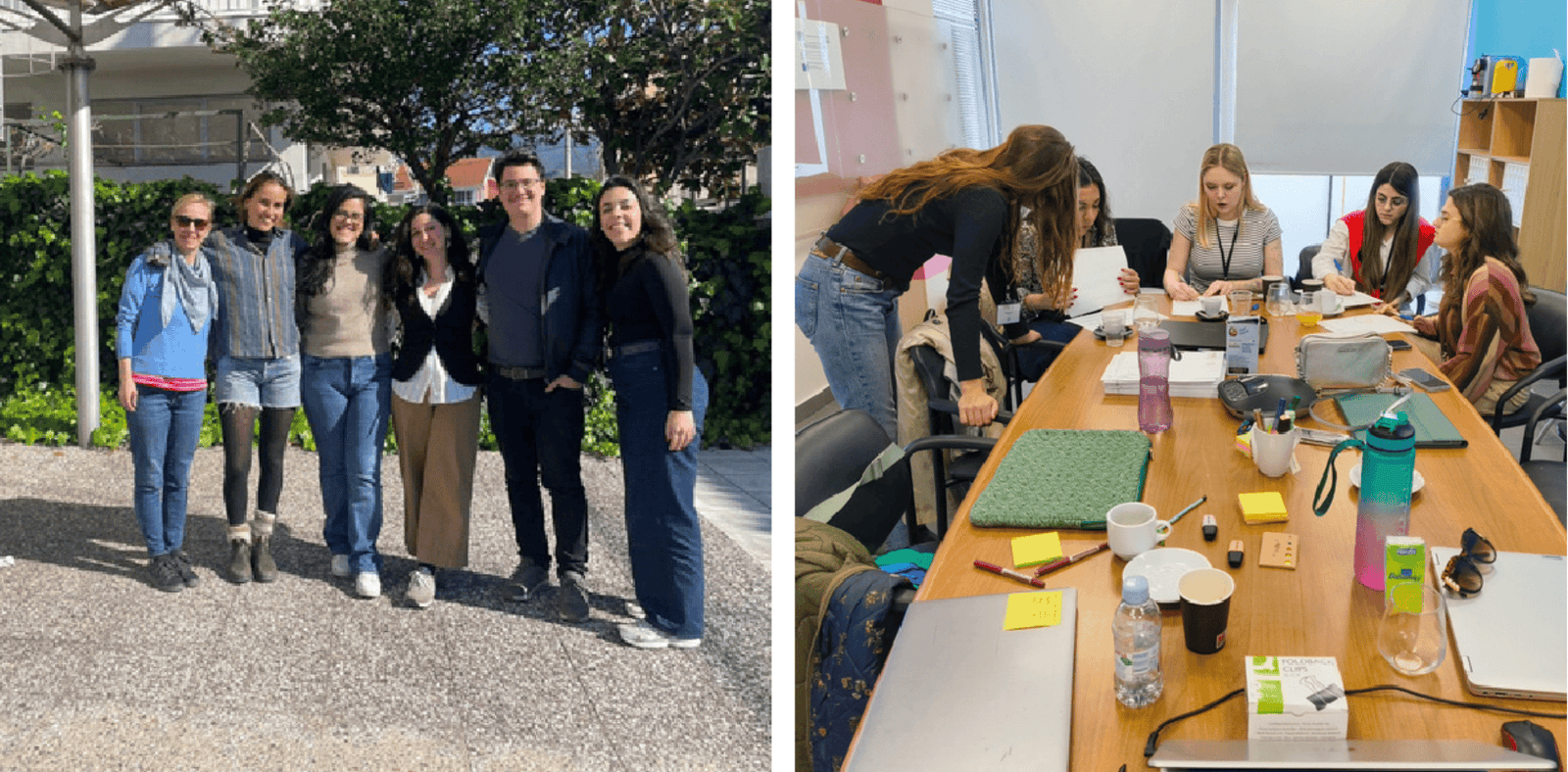
The GRECO (Green Economy Career Orientation) project continues advancing youth training for green careers, with its Green Workforce Adaptation (GWfA) Methodology now finalized.

The RfG project empowers teenagers to adopt the 4R philosophy (Reduce, Reuse, Recycle, Rethink) in fashion, with both environmental and social impacts.
Key outputs include:
.png)
The DigiTech project is developing a comprehensive web platform to act as a hub for e-learning, resources and project results.
The platform will include the DigiTech Guide, guidelines for carbon footprint measurement, e-learning courses and an innovation section for networking and collaboration.
A key feature will be a video series with interviews of successful green entrepreneurs, sharing lessons, challenges and visions for sustainability, translated into multiple languages.
The platform aims to provide practical tools for NGOs, social enterprises and entrepreneurs while connecting stakeholders across Europe.
The consortium will meet in Iasi, Romania from 3 to 5 July 2023 for the final project meeting to prepare the report and review achievements.
Overall, DigiTech highlights digital tools, education and green entrepreneurship as drivers of climate action.
The Cre'ART’ive Green Youth project, involving five partner countries, is nearing completion in June 2023, celebrating major milestones and community impact.
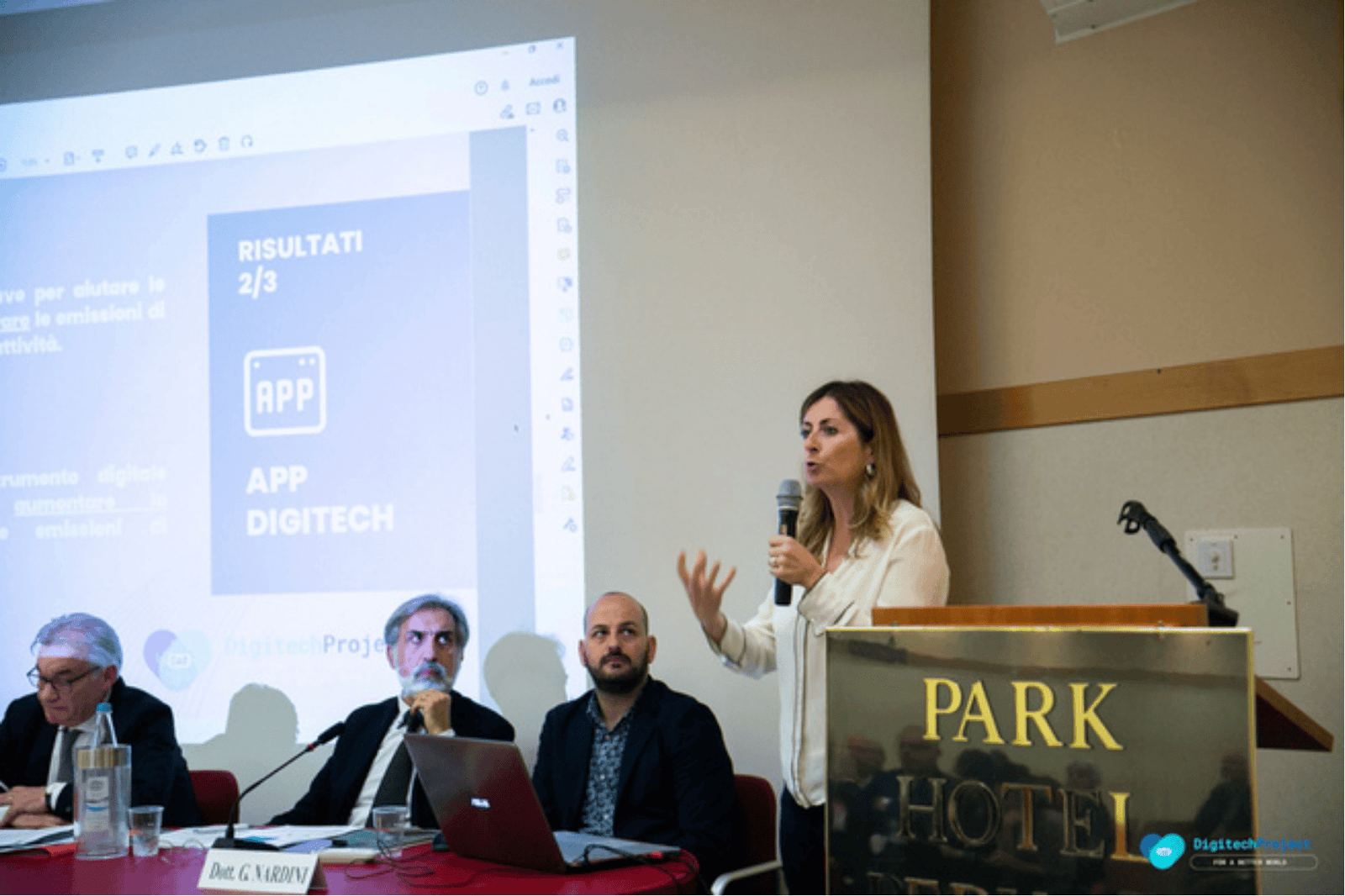
The newsletter introduces the DigiTech CO2 Calculator, a free web-based tool created by People of 2050 and partners to help NGOs, social enterprises, entrepreneurs and event managers measure and reduce their carbon footprint.

The Business 2030 project concluded in April 2024 after two years of supporting sustainable development in SMEs.
Final dissemination events were organized in Denmark, France, Italy, Cyprus and Switzerland, engaging entrepreneurs, SMEs and VET providers.
Highlights included events at Copenhagen Business School, DTU SkyLab and large gatherings like Made in PME SUD in France, which attracted over 5,000 attendees.
The project presented its key results: a sustainability self-assessment tool (SAT), a toolkit and a free MOOC on sustainable business practices.Interactive workshops and collaborations showcased practical applications, particularly in circular economy principles, CSR and green business models.
SMEs expressed strong interest in using these tools to improve their sustainability strategies.
The project leaves a legacy of practical resources, training and frameworks to empower SMEs in their transition toward sustainable business models.
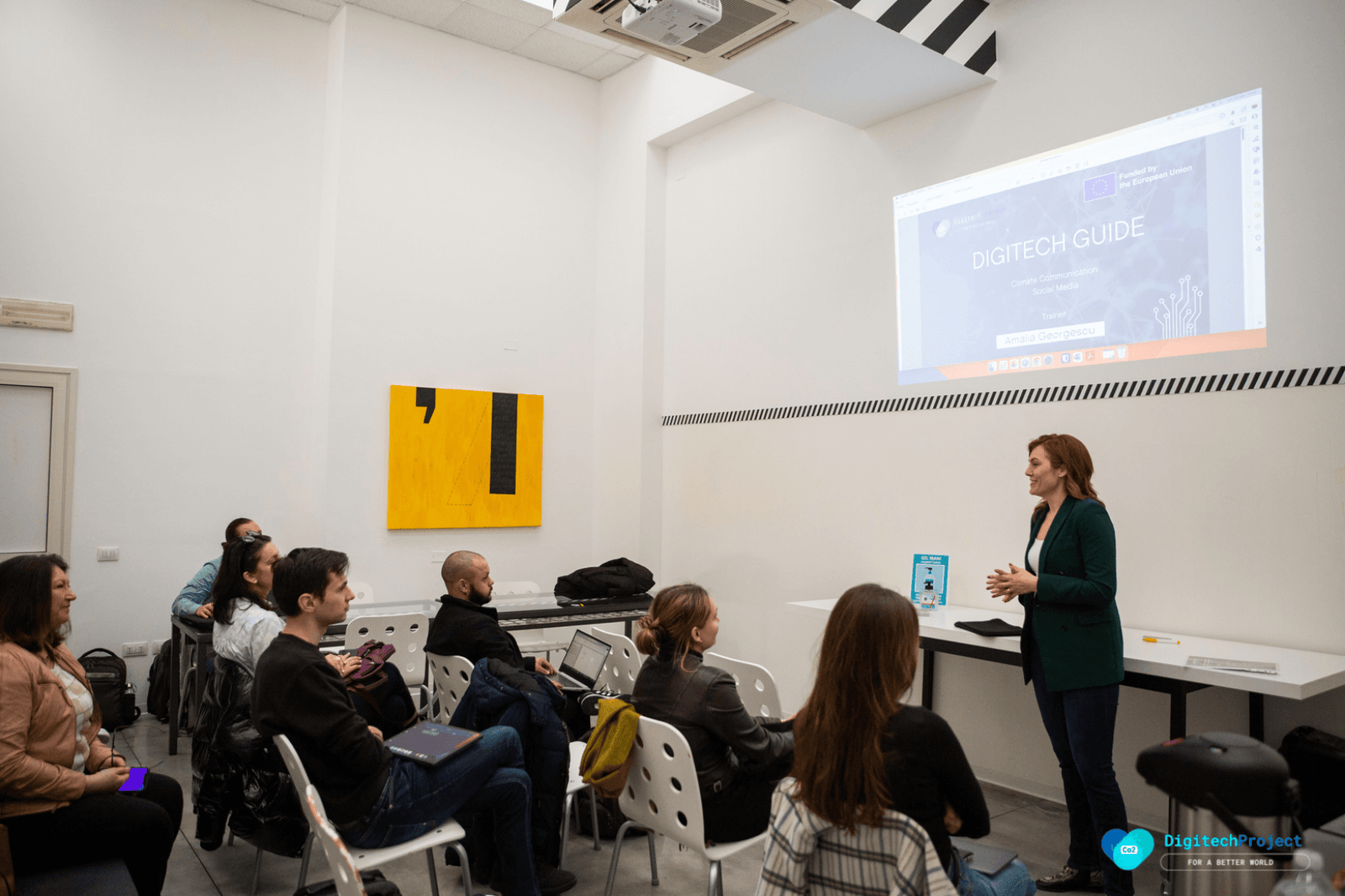
The DigiTech project (Digital Entrepreneurs and Climate Heroes) supports NGOs, social enterprises and entrepreneurs in reducing their carbon footprint through digital tools.
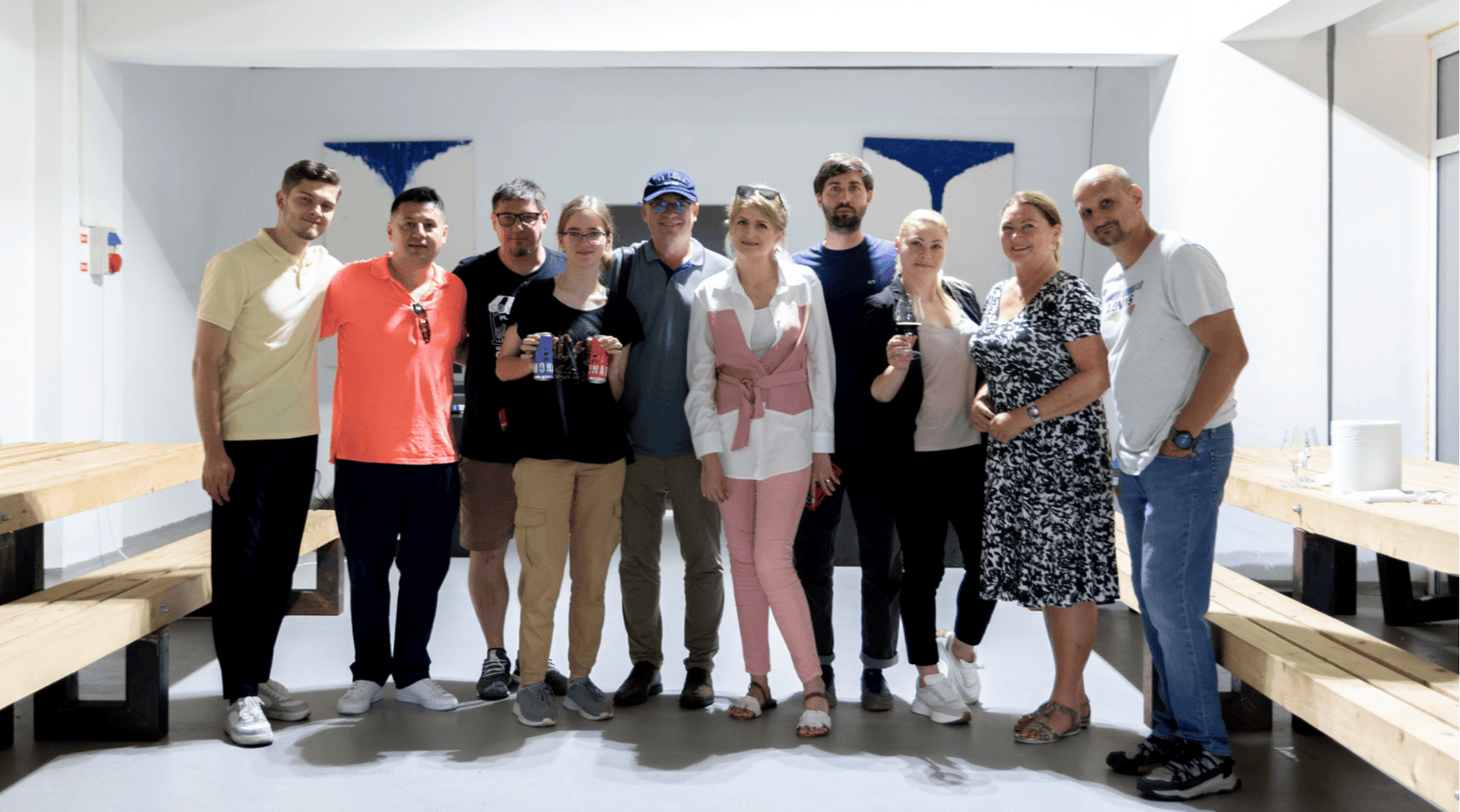
The newsletter introduces the finalized DigiTech Guide, a practical tool for NGOs, associations and social enterprises to measure and reduce their climate footprint.
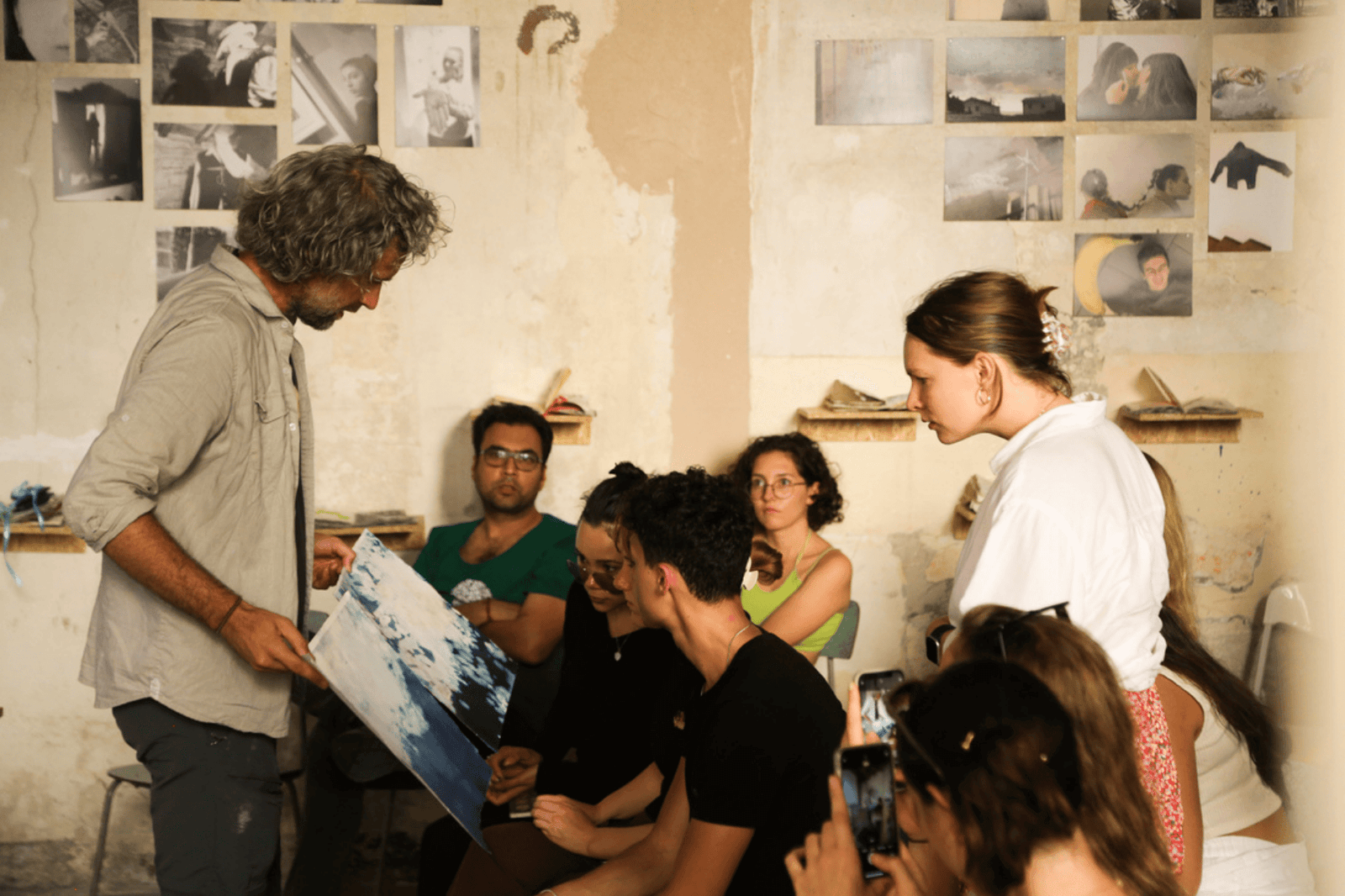
From 5-9 September 2022, the Creative Climate Camp took place in Sansepolcro, Tuscany (Italy), where young people from Norway, Sweden, Denmark and England gathered.
.png)
The C6 consortium (partners from Denmark, Italy, Norway, Sweden and the UK) launched the Creative Climate Training Camp in Copenhagen (24–28 January 2022).
The project kicked off on January 14, 2022 and is coordinated by People of 2050 (Denmark) together with the World Climate School (Norway), Fatti d’Arte (Italy), Yenice Çok Programlı Anadolu Lisesi (Turkey) and Centro Integrado Politécnico FP Lumbier (Spain).
The creARTive project (Jan 2022 – July 2023) engaged youth (18–30) from Denmark, Italy, Spain, Turkey and Norway through three Creative Art Camps and local activities.
.png)
Business 2030 (launched January 2022) supports SMEs in transitioning to sustainable business models and enhancing staff skills in environmental sustainability.
Business 2030 (launched January 2022) supports SMEs in transitioning to sustainable business models and enhancing staff skills in environmental sustainability.
The creARTive project (Jan 2022 – July 2023) engaged youth (18–30) from Denmark, Italy, Spain, Turkey and Norway through three Creative Art Camps and local activities.
The project kicked off on January 14, 2022 and is coordinated by People of 2050 (Denmark) together with the World Climate School (Norway), Fatti d’Arte (Italy), Yenice Çok Programlı Anadolu Lisesi (Turkey) and Centro Integrado Politécnico FP Lumbier (Spain).
The C6 consortium (partners from Denmark, Italy, Norway, Sweden and the UK) launched the Creative Climate Training Camp in Copenhagen (24–28 January 2022).
From 5-9 September 2022, the Creative Climate Camp took place in Sansepolcro, Tuscany (Italy), where young people from Norway, Sweden, Denmark and England gathered.
The newsletter introduces the finalized DigiTech Guide, a practical tool for NGOs, associations and social enterprises to measure and reduce their climate footprint.
The DigiTech project (Digital Entrepreneurs and Climate Heroes) supports NGOs, social enterprises and entrepreneurs in reducing their carbon footprint through digital tools.
The Business 2030 project concluded in April 2024 after two years of supporting sustainable development in SMEs.
Final dissemination events were organized in Denmark, France, Italy, Cyprus and Switzerland, engaging entrepreneurs, SMEs and VET providers.
Highlights included events at Copenhagen Business School, DTU SkyLab and large gatherings like Made in PME SUD in France, which attracted over 5,000 attendees.
The project presented its key results: a sustainability self-assessment tool (SAT), a toolkit and a free MOOC on sustainable business practices.Interactive workshops and collaborations showcased practical applications, particularly in circular economy principles, CSR and green business models.
SMEs expressed strong interest in using these tools to improve their sustainability strategies.
The project leaves a legacy of practical resources, training and frameworks to empower SMEs in their transition toward sustainable business models.
The newsletter introduces the DigiTech CO2 Calculator, a free web-based tool created by People of 2050 and partners to help NGOs, social enterprises, entrepreneurs and event managers measure and reduce their carbon footprint.
The Cre'ART’ive Green Youth project, involving five partner countries, is nearing completion in June 2023, celebrating major milestones and community impact.
The DigiTech project is developing a comprehensive web platform to act as a hub for e-learning, resources and project results.
The platform will include the DigiTech Guide, guidelines for carbon footprint measurement, e-learning courses and an innovation section for networking and collaboration.
A key feature will be a video series with interviews of successful green entrepreneurs, sharing lessons, challenges and visions for sustainability, translated into multiple languages.
The platform aims to provide practical tools for NGOs, social enterprises and entrepreneurs while connecting stakeholders across Europe.
The consortium will meet in Iasi, Romania from 3 to 5 July 2023 for the final project meeting to prepare the report and review achievements.
Overall, DigiTech highlights digital tools, education and green entrepreneurship as drivers of climate action.
The RfG project empowers teenagers to adopt the 4R philosophy (Reduce, Reuse, Recycle, Rethink) in fashion, with both environmental and social impacts.
Key outputs include:
The GRECO (Green Economy Career Orientation) project continues advancing youth training for green careers, with its Green Workforce Adaptation (GWfA) Methodology now finalized.
The 4R philosophy (Reduce, Reuse, Recycle, Rethink) applied to sustainable fashion is at the core of the RfG project, targeted towards youth and teachers.
The project launched the Train-the-Trainer edition of the Circular Economy Mastery Course, empowering trainers with advanced knowledge and strategies.
The Enter the Circle project launched with a kick-off meeting in Copenhagen in September 2023.
Partners carried out desk research to assess circular economy practices and youth entrepreneurship opportunities across countries.
Findings informed the development of a framework methodology to integrate circular economy concepts into youth entrepreneurship education.
The next phase will focus on implementing educational tools and engaging young entrepreneurs through workshops and seminars.
The project aims to equip young people with skills to drive sustainable entrepreneurship in the circular economy.
.png)


